
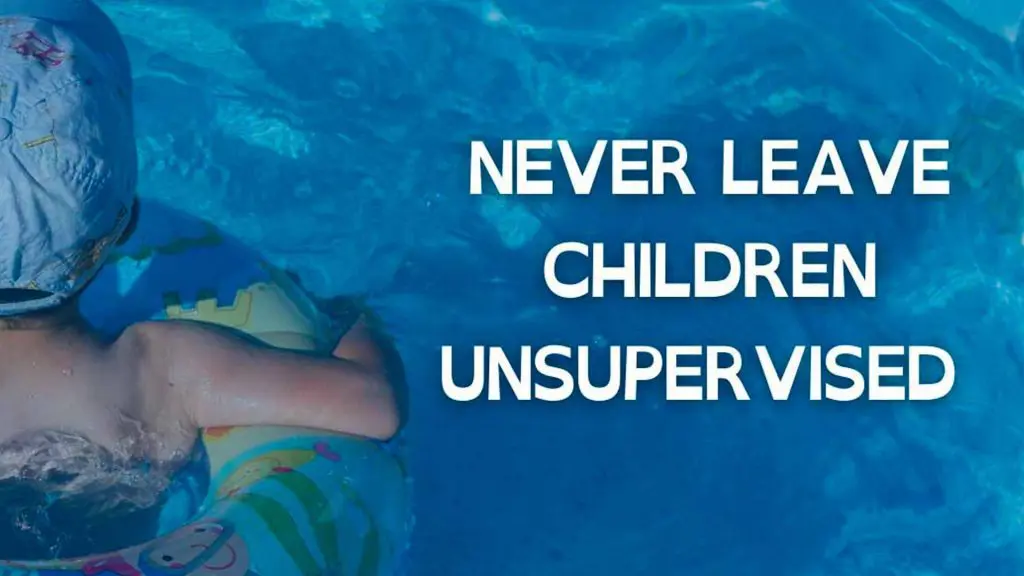
Drowning doesn’t always look the way it does in the movies. You may expect splashing, yelling, and waving arms. In reality, drowning is often fast and silent. It can happen in as little as 20 to 60 seconds.
Signs of Active Drowning May Include:
-
Mouth at water level
-
Head tilted back with mouth open
-
Glassy or unfocused eyes
-
Body in a vertical position with little or no kicking
-
Attempting to roll onto the back
-
Movements that look like climbing an invisible ladder
-
Facing the shore or pool edge but not making progress
One simple survival skill that can help is floating on your back. Floating makes it easier to keep your airway clear and get air into your lungs while you wait for help.
Children often drown when left unsupervised, even if only for a moment. Kids between the ages of 1 and 4 are at the highest risk, and most incidents in this age group occur in residential pools.
In October 2000, Florida enacted the Residential Swimming Pool Safety Act. This law requires new residential pools to have at least one approved safety feature, such as barriers, covers, alarms, or self-closing and self-latching doors, to help prevent unsupervised access by children.
However, approximately 90% of pools in Florida were built before this law went into effect, meaning many may not have these required safety features. That is why constant, active supervision remains critical.
Always supervise children around any body of water, including:
-
Bathtubs
-
Swimming pools
-
Lakes and ponds
-
Beaches and oceans
-
Buckets or containers holding water
Swim lessons can significantly reduce risk. Studies show that formal swimming lessons can reduce the risk of drowning by up to 88% among children ages 1 to 4. However, no child or adult is ever completely drown-proof. Knowing how to swim and using flotation devices should never replace close, attentive supervision.
For more information on drowning prevention and water safety, visit:
-
National Drowning Prevention Alliance — www.ndpa.org
-
Water Smart Florida — www.watersmartfl.com
-
Experience Kissimmee Water Safety Resource — https://www.experiencekissimmee.com/water-safety
Drowning is preventable. Awareness, preparation, and supervision save lives.